


What We Do
Welcome to Island of the Children - Associação Ilha das Crianças (AIC)
Imagine a place where children, adolescents, and young people are encouraged to grow, thrive, and discover their unique talents.
That is Ilha das Crianças — a space for learning, connection, and belonging. Here, children and young people experience care, respect, and joy while embracing culture, community, territory, and ancestry as living elements of their daily lives.
Our mission is to promote the holistic development of children, adolescents, and young people in vulnerable communities. We strengthen autonomy, critical thinking, and meaningful connections with their community. By expanding opportunities, we help reduce inequalities and advance social justice.
Through after-school programs, we offer activities and workshops that nurture multiple dimensions of personal development.
We also believe in the transformative power of nature in education. Our agroforestry garden serves as a living laboratory, where we cultivate not only food, but also knowledge, responsibility, and respect for the land and its natural cycles. We provide healthy meals, prioritizing fresh ingredients — many harvested directly from our own garden.
Our educational approach is inspired by liberating and humanistic pedagogies, such as those of Paulo Freire, Rudolf Steiner, and Maria Montessori, emphasizing student agency, meaningful learning, and care for others and the world around us.
741
people directly impacted by our projects and initiatives.
52
workshops, projects, and activities carried out throughout the year strengthen education, culture, and social development.
+ €150 tsd
invested annually in initiatives that transform lives and empower communities.
Unlocking Opportunities in Vulnerable Communities

Itaparica: The Social Context of a Territory in Need of Opportunities
The island Itaparica is located in northeastern Brazil, near the metropolitan region of Salvador, the capital of the state of Bahia. The island is accessible by ferry in about one hour, connecting the mainland to a territory of remarkable natural beauty and cultural diversity.
Despite its natural landscapes, cultural richness, and historical significance, the island faces significant social challenges, including inequality, fragile infrastructure, and limited access to education and healthcare. The estimated population is around 65,000 people.
At the same time, Itaparica holds a valuable cultural heritage, strong community bonds, and significant human potential. When recognized and supported, this potential can drive sustainable, fair, and inclusive development.


Challenges
The Island of the Children operates in a context marked by significant social challenges and remains fully committed to defending the rights of children, adolescents, and young people. We address multiple rights violations within a reality shaped by social vulnerability and limited public safety. At the same time, we combat food insecurity and structural inequality while responding to environmental challenges that directly affect the health and well-being of the entire community.
Malnutrition
Food insecurity and unbalanced nutrition affect a substantial portion of the population.
Crime
Violence and insecurity represent some of the greatest threats to the future of children and young people.
Child Labor
Early exposure to labor remains a harsh reality in our region.
Environmental Pollution
Unplanned settlement and improper waste disposal accelerate the degradation of coastal ecosystems and threaten marine life.


A project by WCTAG hilft e.V.
Education and Culture
Environmental Education
Quality of Life
Education and Culture
Expanding Horizons and Strengthening Identity
This area provides essential tools for intellectual development, fosters autonomy in learning, and promotes appreciation for cultural diversity. The goal is to prepare participants for a self-directed, engaged, and future-oriented life path.
Environmental Education
Fostering Awareness and Respect for Nature
This area promotes environmental awareness and a deeper understanding of the importance of protecting natural ecosystems. It highlights the connection between environmental care, quality of life, and the well-being of future generations.
Quality of Life
Cultivating Health, Well-being, and Social Interaction
This area focuses on physical, mental, and social development. Through sports, creative, and community-based activities, participants adopt healthy habits, strengthen social skills, and learn important values such as respect, responsibility, and cooperation.
The AIC organizes its work into interconnected areas of action aimed at the holistic development of children, adolescents, and young people. Each area includes a set of workshops and activities that complement one another, creating a comprehensive and meaningful learning experience.
Areas of Action and Educational Programs of Island of the Children – Associação Ilha das Crianças (AIC)
Promoting Holistic Development
Creative Learning Workshops
With Education we can change the world.
Below you can explore our workshops and the difference each one makes in the lives of children, adolescents, and young people.
.png)
Individual and group support to ensure the development of essential reading and writing skills, fundamental for academic success and full social participation. Pedagogical guidance addresses each child’s specific needs and strengthens learning autonomy.
LITERACY & LEARNING SUPPORT

In an increasingly digital world, this workshop builds the skills needed to use digital technologies critically, creatively, and safely—from basic computer and internet use to communication, research, and digital content production.
COMPUTER BASICS

Learning a second language opens doors to new cultures, educational opportunities, and future professional paths.
ENGLISH

More than a martial art, capoeira is an Afro-Brazilian cultural expression. It promotes physical development (strength, coordination, flexibility), musicality, discipline, respect for history and culture, and social interaction.
CAPOEIRA
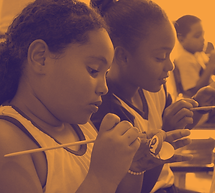
Through diverse techniques and materials, this workshop fosters creativity, personal expression, aesthetic perception, fine motor skills, and new ways of understanding and interpreting the world.
VISUAL ARTS

Theater activities strengthen creativity, body and verbal expression, self-confidence, teamwork, and interpersonal communication.
THEATER

Different styles and rhythms promote body expression, coordination, rhythm, spatial awareness, social interaction, and artistic appreciation, while contributing to physical and emotional well-being.
DANCE
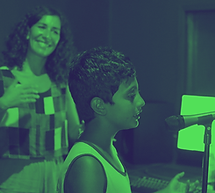
Instrumental and vocal practice supports cognitive, social, and cultural development. Music classes stimulate discipline, creativity, and focus, strengthen self-esteem, and offer a meaningful path for expression and belonging.
MUSIC

This martial art promotes strength, balance, coordination, agility, and flexibility, along with discipline, respect, self-control, self-confidence, and socialization. It also supports mental health and emotional well-being.
JUDO

Various sports promote physical health, teamwork, respect for rules, and resilience. Traditional games also strengthen local identity, creativity, expression, and social interaction.
SPORTS GAMES

Through theoretical and practical activities, children and adolescents learn about local ecosystems, biodiversity, human environmental impact, and sustainable practices.
SUSTAINABILITY

Participants learn the full food production cycle—from planting and organic cultivation to harvesting—developing a direct connection with the land and healthy lifestyle habits.
HORTICULTURE
Our Theory of Change
At the AIC, we believe in the power of well-planned social action. Our Theory of Change guides every step we take to create lasting positive impact in the lives of children, adolescents, and young people facing vulnerability, promoting holistic development and social inclusion.
Starting Point
We work in contexts marked by violence, inequality, limited resources, and restricted opportunities. In these circumstances, our work becomes essential.
Our Actions:
We work across three core pillars:
Education and Culture: Promotion of local culture through art, music, dance, theater, academic support, reading, and digital education to foster knowledge, creativity, and critical thinking.
Environmental Education: Community gardens, beach clean-ups, and environmental education initiatives build ecological awareness and responsibility.
Quality of Life: Sports, health promotion, psychosocial support, and well-being activities strengthen physical and emotional development.
Results
Short-term: Increased school attendance and stronger social bonds.
Medium-term: Reduced school dropout rates and greater community engagement.
Long-term: Empowered young people, fairer communities, and reduced social inequality.
Assumptions
We believe that education, cultural participation, and strong social ties generate protection, awareness, and a sense of belonging.
Logic Model
A continuous cycle that develops empowered young people and supportive communities.
Monitoring
We regularly assess data and testimonials to continuously improve our programs.
Next Steps
We will refine our strategies, strengthen partnerships, and enhance our indicators to ensure a brighter and more equitable future for all.


Social Service
Social and Psychosocial Services of Island of the Children – Associação Ilha das Crianças (AIC): Comprehensive Protection and Family Strengthening
The Social Service of the AIC works strategically to guarantee rights under the Brazilian Child and Adolescent Statute (ECA) and to ensure the comprehensive protection of children, adolescents, and their families. Its focus lies in strengthening family bonds and providing support to address challenges such as violence, conflict, and social vulnerability.
Core Mission
-
Ensure Rights: Promote well-being and family protection in accordance with the ECA.
-
Foster Agency: Develop social and emotional skills that strengthen family autonomy.
-
Prevent Risks: Act preventively to reduce violence and address social challenges.
The psychosocial sector humanizes care by integrating Psychology and Social Work with ethics and respect. AIC promotes personal growth and citizenship through social assistance services and socio-educational group initiatives such as “Pausa para um Café”, empowering families to build dignified living environments.
To guarantee comprehensive social protection, AIC maintains strategic partnerships within the local support network. Depending on needs, we collaborate with institutions such as CRAS (Basic Social Protection), CREAS (Specialized Social Protection), the Child Protection Council, CAPS (Psychosocial Care Services), and CAEE (Specialized Educational Support), ensuring coordinated and effective assistance to the population.

Healthy Nutrition
Healthy Nutrition Program – Island of the Children – Associação Ilha das Crianças (AIC)
At the Island of the Children, nutrition is a fundamental pillar of holistic development. Our Healthy Nutrition Program provides balanced, nutrient-rich meals prepared with fresh ingredients while fostering healthy eating habits from an early age.
How does the program work?
The program is built on carefully designed and continuously monitored menus that go beyond basic nutrition. Nutritional education is integrated into our activities through playful and interactive approaches, transforming mealtimes into moments of learning, awareness, and joy.
Professional Nutrition Support
The excellence of our program is ensured by qualified nutrition professionals responsible for:
-
Developing and adjusting meal plans;
-
Ensuring food quality and safety;
-
Providing guidance and training to staff and families.
Our commitment is to nourish both body and mind, ensuring that every child grows strong and develops lifelong healthy eating habits.

Ponto de Cultura
The Ministry of Culture of Brazil certifies the organisation Island of the Children – Associação Ilha das Crianças (AIC) as a Cultural Hub - Ponto de Cultura. The institution expands its role as a space for cultural production, learning, and community participation, promoting local identity, inclusion, and the active engagement of children and adolescents. The Cultural Hub will also serve as a centre for gathering, exchange of knowledge, and strengthening cultural diversity.
Projects / Partneships

Praia Limpa – Clean Beach Initiative
Since 2016, the Praia Limpa Project has mobilized the community, corporate partners, and municipal support networks to promote environmental awareness. Beyond beach clean-ups and coastal care, the initiative provides sustainability education and visits to the innovative “Museum of Waste,” a learning space on the beach that transforms waste into knowledge and reflection, combining education, art, and social responsibility for a cleaner and more conscious future.

Entrepreneurship Lab
A dynamic space at the Island of the Children that empowers young people and the community in all stages of the entrepreneurial process, from marketing to sales. The space produces items such as customized T-shirts, mugs, and sandals, developing skills in sublimation and design while fostering autonomy, business vision, and collective awareness, creating real opportunities for work and income on Ilha de Itaparica.
_JPG.jpg)
Music Studio – Canto da Ilha
A hub for emerging talent, providing professional access to recording, audiovisual production, and digital promotion. More than a technical space, it serves as an environment for creativity and the appreciation of local art, committed to giving visibility to regional artists and ensuring that every voice finds its place, echoing the talent and identity of our community.

Virtual Museum Origens
The AIC, third co-author of the Museu Virtual Origens (MVO), proudly contributed to the creation of the world wide first Afro-Indigenous historical museum in the metaverse. Through this partnership, we reaffirm our commitment to valuing collective memory, ensuring democratic access to culture, and preserving ancestral narratives, establishing the MVO as a living space of learning, belonging, and transformation for future generations.

Capoeira Beira Mar
Since 1999, this project has strengthened culture and the sense of belonging among young people on the island Itaparica, offering children and youth the opportunity to experience their Afro-Brazilian roots in a transformative way. Through training at the AIC, the group has become a cultural and educational reference, supporting participants’ physical, social, and emotional development and using capoeira as a tool for inclusion, identity, and community empowerment.

Choir Project – Canto Coral
The AIC Choir emerges as a powerful voice of hope, bringing together children and young people in a platform for social, cultural, and personal development. With moving performances of high artistic quality, the group captivates audiences at various events. Under the direction of Mateus Santana, the project reveals talents, promotes inclusion, and strengthens values such as discipline and self-esteem, uniting art, education, and citizenship to express the strength of the community through every voice.

Quilombo do Tereré
The AIC provides support and technical collaboration to the Organisation Quilombo do Tereré, strengthening cultural ties and honoring ancestral heritage. The central focus of this partnership is the project “Digital Quilombo – Connecting Generations”, which fosters digital inclusion by training young people and adults in IT, design, and programming. The initiative respects quilombola identity and supports actions such as the Living Quilombola Museum, reaffirming its commitment to Afro-Brazilian culture and the sustainable development of Island Itaparica.

Community Garden
A vibrant space for learning and sustainability, rooted in syntropic agriculture. By integrating nature, education, and community, the project engages schools, families, and students in planting and harvesting, strengthening their bond with the land. The produce supplies the Healthy Nutrition Program and fosters sharing, responsibility, and respect for nature.

Audiovisual Collective
The AIC Audiovisual Collective is a space for creation and learning that turns the art of storytelling into a tool for inclusion and development. Made up of young people from the NGO, it offers hands-on experience in stages such as scriptwriting, filming, and editing, within a collaborative environment that encourages leadership and initiative. Its productions broaden the reach of the organisation’s actions, highlight local culture, and shape young people who see audiovisual media as a path to transformation.

Sacatar
The partnership with the Sacatar Foundation is of great importance to the success of AIC’s cultural and educational activities, directing artists to work jointly with the institution. This strategic collaboration enriches the programme, ensuring that our students gain access to unique and transformative artistic and intercultural experiences, strengthening young people’s development and creativity.

CineArts
This collaboration integrates the world of film and production into our activities, offering young people access to workshops, projects, and hands-on experiences that foster creativity, technical development, and appreciation of local culture. Together, Cine Arts and AIC open new doors for the participants’ future, encouraging the discovery of talent and the development of an audiovisual hub in Itaparica.

Cinema E Sal
Enriches our cultural and educational activities by bringing cinema, storytelling, and community dialogue closer to our students and their families. Through film screenings, creative workshops, and moments of reflection, Cinema e Sal encourages critical thinking, imagination, and access to audiovisual culture, creating a space where participants can see their realities represented, discover new perspectives, and express their voices.